
In celebration of the 2026 Winter Olympics, we turn our gaze north, to the snow-dusted peaks of the Italian Alps, where days are spent carving through fresh powder and evenings unfold slowly by firelight. In the Dolomites and across South Tyrol and Trentino Alto Adige, après-ski is not rushed. Ski boots are left at the door. Wool sweaters replace outer layers. Glasses of wine or warm broth appear at long wooden tables as dusk settles over the mountains. This is the hour for food that restores warmth and energy, dishes shaped by alpine life and winter necessity.
Canederli, also known as Knödel, are among the most beloved of these dishes. Soft bread dumplings simmered in broth, they reflect the Austrian influence found along Italy’s northern borders, where culinary traditions blur as naturally as the landscape itself. Born of resourcefulness, canederli transforms day-old bread into something deeply nourishing and generous. Traditionally, the dumplings are enriched with speck, a cured pork that is lightly smoked, gently spiced, and air-dried in the mountain air. Speck brings a subtle smokiness and savory depth that feels inseparable from alpine cooking, echoing wood fires, pine forests, and crisp winter air. Pancetta is sometimes used in its place, but speck remains the classic expression of the region.
Warm, hearty, and deeply satisfying, canederli are the kind of dish skiers return to after long days on the slopes. Served in a simple, savory broth, they are a staple of mountain kitchens and a familiar presence on chalet tables throughout the Northern Italian Alps. During the Winter Olympics, dishes like this will be enjoyed across alpine towns, from cozy trattorie to family homes, offering comfort and nourishment after cold days outdoors.

CANEDERLI IN BRODO
Serves 6
INGREDIENTS
For the Canederli
▢ 10 oz stale country bread, crusts removed and cut into small cubes
▢ 1 cup whole milk, warmed slightly
▢ 2 large eggs, lightly beaten
▢ 3 tbsp Bona Furtuna Extra Virgin Olive Oil, plus more as needed
▢ 1 small yellow or white onion, finely diced
▢ 3 oz speck or pancetta, finely chopped
▢ 1/2 cup freshly grated Parmigiano Reggiano, plus more for serving
▢ 2 tbsp fresh chives, finely minced
▢ 2 tbsp fresh parsley, finely minced
▢ 1/2 tsp freshly grated nutmeg
▢ 1/4 tsp white pepper, finely ground
▢ 3/4 tsp Bona Furtuna Sicilian Sea Salt & Herbs, or to taste
▢ 2 tbsp all-purpose flour, as needed for binding
For the brodo
▢ 8 cups rich chicken, beef, or vegetable broth
▢ Fresh chives and parsley, finely snipped

DIRECTIONS
- Place the bread cubes in a large bowl. Pour the warmed milk over the bread and toss gently. Let rest for 10 to 15 minutes until soft and pliable but never soggy.
- Warm olive oil in a skillet over medium heat. Add the onion and cook slowly until translucent and sweet. Stir in the speck or pancetta and cook gently until softened and fragrant, without browning. Remove from heat and allow to cool slightly.
- Add the onion and speck or pancetta mixture to the soaked bread. Fold in the eggs, Parmigiano Reggiano, chives, parsley, nutmeg, white pepper, and Sicilian sea salt & herb seasoning. Mix gently with your hands until cohesive. Add flour one tablespoon at a time only as needed, just until the mixture holds together.
- With lightly damp hands, form soft dumplings about 1 1/2 to 2 inches in diameter, roughly the size of a small plum. Handle gently to keep them light.
- Bring the broth to a gentle simmer. Carefully lower the canederli into the liquid. Cook for 12 to 15 minutes. As they rise to the surface, they will set while remaining tender within.
- Ladle the hot broth into warmed bowls. Add three to four canederli per serving. Finish with a delicate drizzle of olive oil, a generous shaving of Parmigiano Reggiano, and a scattering of fresh herbs.
- Mangiamo.
Pair With: Caramelized onions, steamed chard, and a glass of Amarone.
Related Posts

Valentine's Day Beet Ravioli
When we think of romantic dinners for two, visions of dimmed lights, flickering candles, and soft music spring to mind. Why not extend the romance past the enjoyment of a meal to include the preparation? We've put together a delicious, romantic, and playful way to celebrate Valentine's Day together this year.
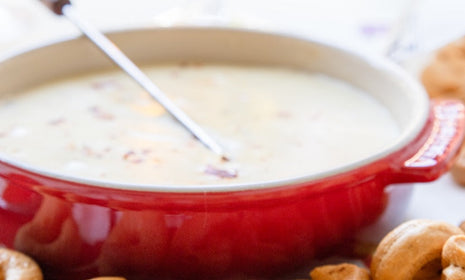
Italian Cheese Fondue
Sharp and delicious, cheese fondue warms from the inside out. We've added an Italian twist with our savory Cacio e Pepe seasoning, and the perfect fiery crunch from our Chili Pepper Taralli.
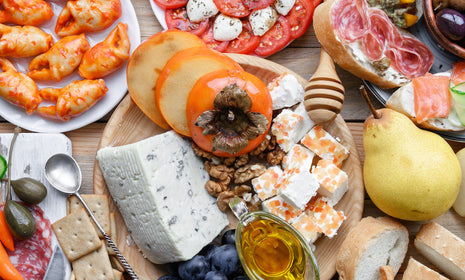
How to Assemble the Best Antipasti
Tickling the appetite with savory local flavors, antipasti is the first course of a formal Italian meal. From cured meats to brined olives, pickled vegetables, capers, tapenades and striking cheeses, there are no strict parameters to limit what you can or cannot include in your antipasti. The only rules are that it must be delicious, bitesized, and shareable. We've put together a guide for how to assemble the best antipasti for your next meal.

Be the first to comment